Learn Patient-Centered Communication Skills Through AI Role Plays

Get started with LarryAI Tutor at no cost during our early access period.


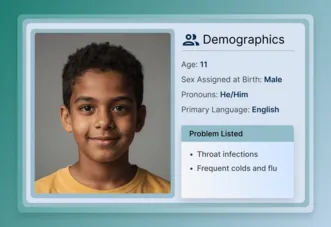

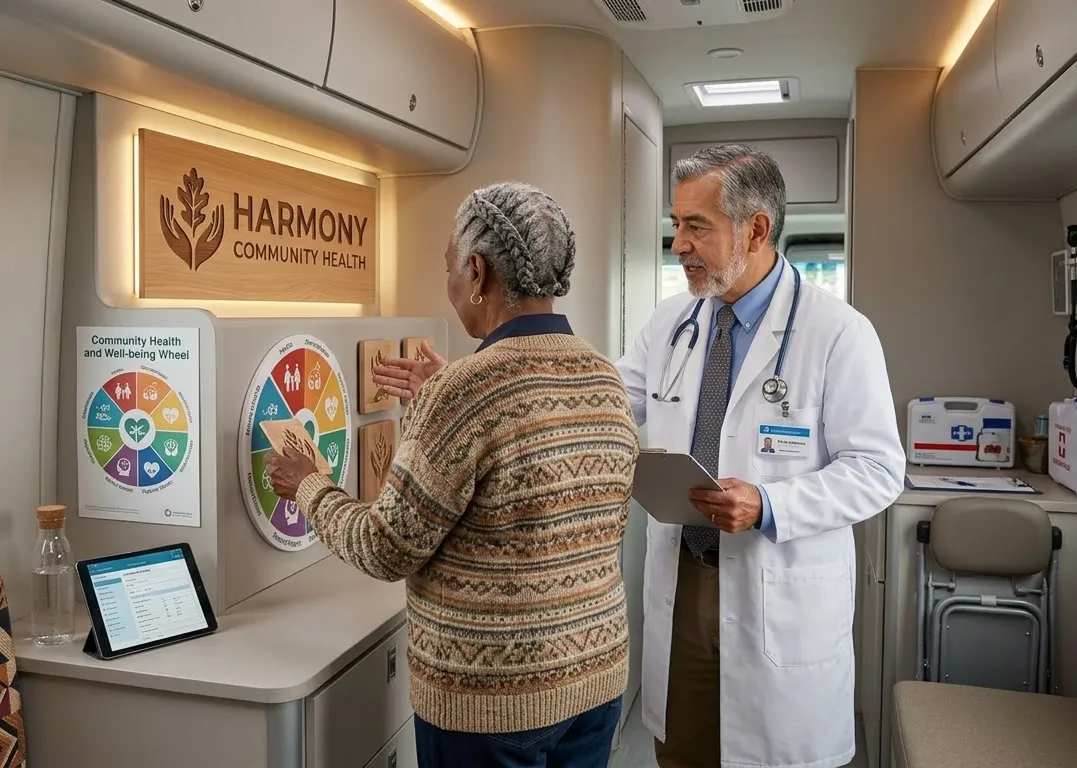
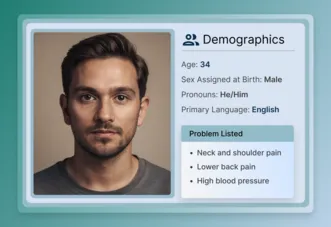
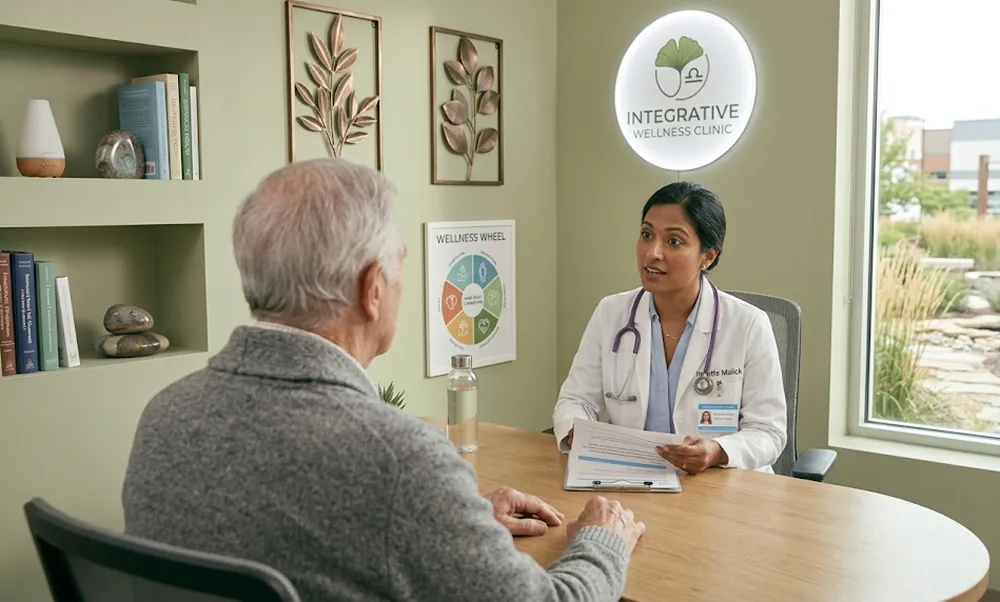
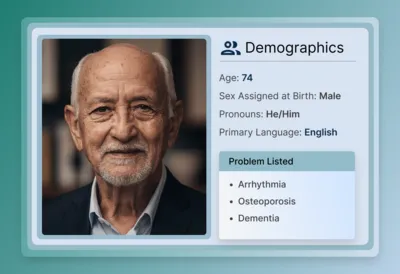

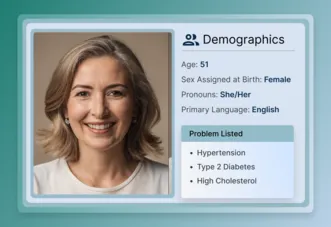



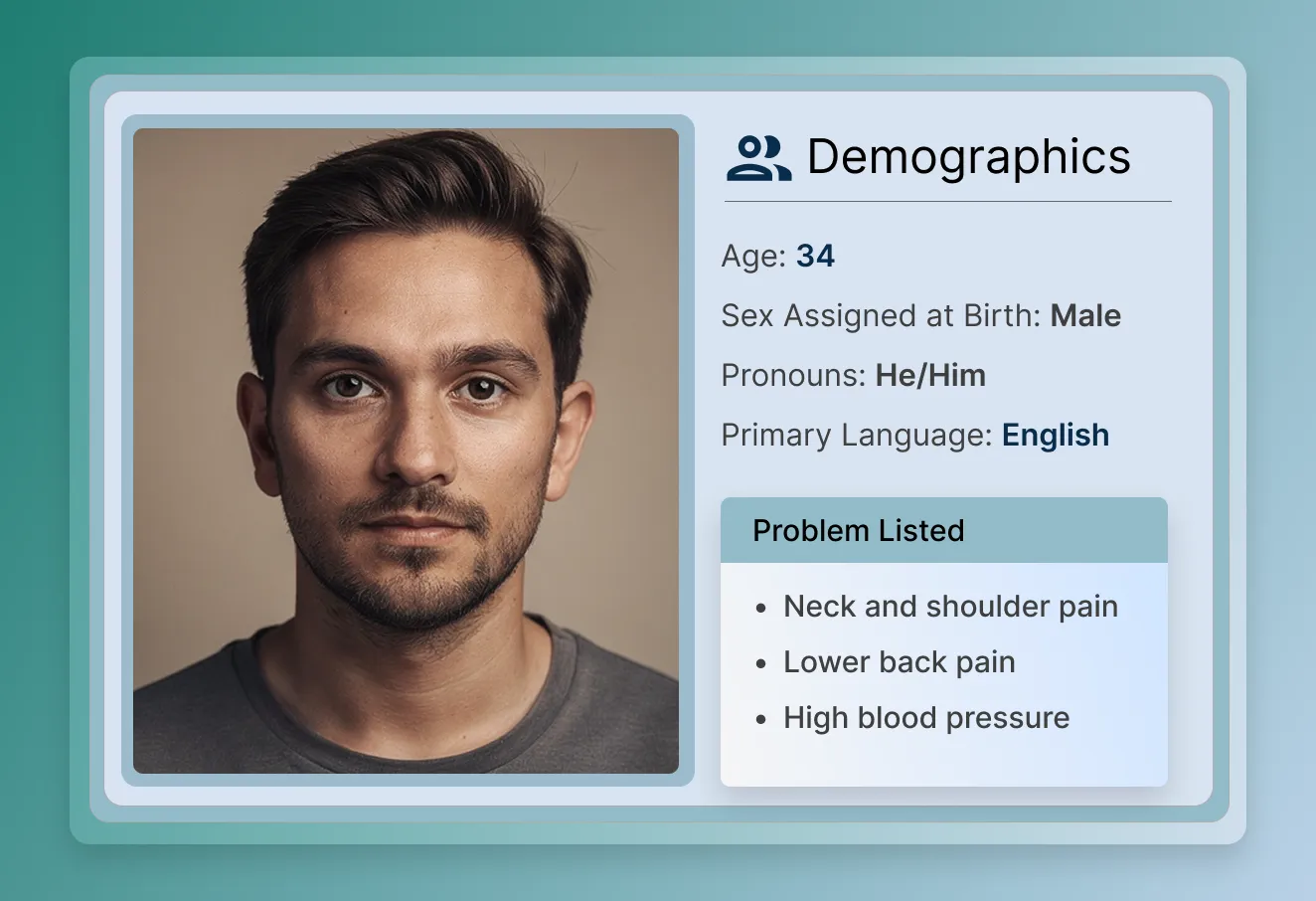
Training Across the Full Spectrum of Primary Care
LarryAl Tutor combines Al role plays, structured communication assessment, and communication coaching in one integrated learning experience. It was built by a team of medical educators to reflect the full range of real-world primary care, from common conditions to more complex and less frequent presentations. Our models span key clinical domains, including:
Mental health
Cardiovascular disease and hypertension
Kidney disease
Atherosclerotic risk reduction for heart attack and stroke
Endocrine conditions
Diabetes and thyroid disorders
Reproductive health
Sexual health, STI risk reduction, contraception, and family planning
By grounding Al role plays, communication coaching, and clinical reasoning in this broad spectrum of care, LarryAl Tutor helps aspiring and practicing clinicians build skills they can apply across everyday practice - improving decision-making, strengthening patient relationships, and supporting more effective care.
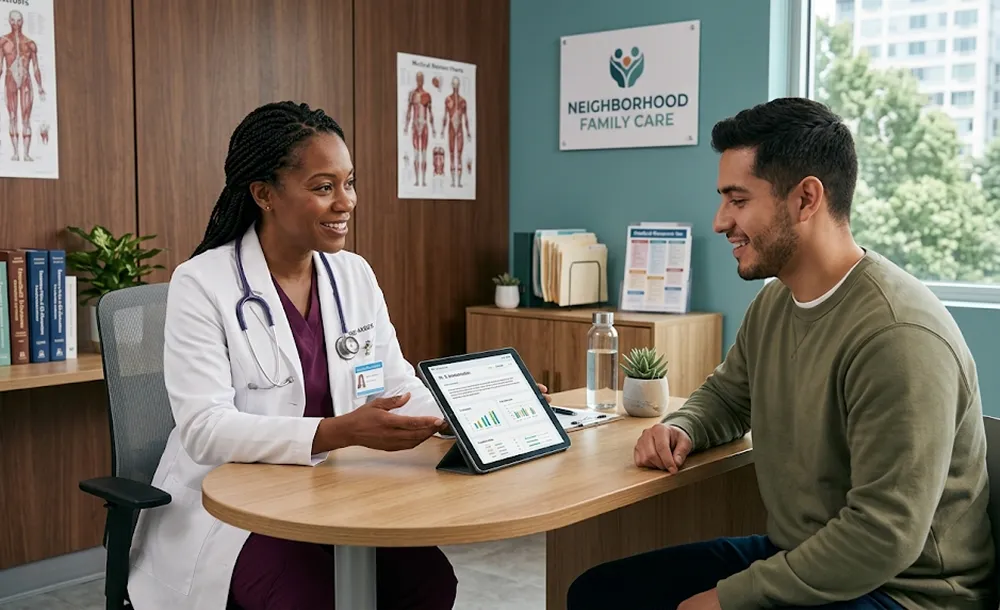
Try out conversations with AI patients and receive immediate feedback from a trained AI coach.
Establishing Rapport and Agenda Setting
This skill helps you connect with the patient and get the patient's confirmation on what matters most for their visit.

Polite Interruption
This skill helps you acknowledge the patient with empathy while gently redirecting the conversation toward clinically relevant topics and making the best use of limited visit time.
Co-Creating Plan with the Patient and Closure
This skill helps you and the patient leave the visit with a shared, understood plan for what happens next.

"Patients who feel heard are more likely to trust, return, and collaborate."
Why does developing patient-centered communication skills matter?
Strong patient-centered communication shapes what clinicians learn from patients, streamlines visits, and improves understanding and adherence to treatment.
When you build this skill, great things happen:
You get a better history, faster.
When you learn to elicit the patient's agenda and perspective early, you catch the real concern sooner and avoid the "oh by the way…" at the end.
Plans work better when they fit the patient's life.
Most failures in care aren't from lack of medical knowledge—they're from mismatch: unclear instructions, unspoken fears, cost/logistics barriers, low confidence, or ambivalence.
Patients trust you.
Patients who feel heard and respected are more likely to trust you, return for follow-up, and collaborate—especially when things get complicated.
Can anyone learn patient-centered communication skills?
This is a learnable skill. It's a set of observable behaviors you can practice - like collaborative agenda-setting, using empathy statements, asking permission before advising, checking understanding, and co-creating a realistic next step.
Even if you're already a "good communicator," you can still get better the same way you get better at physical exam skills:
Learn a framework
You practice under pressure
You get specific feedback
You repeat

"You explored the patient's concerns — next time, try inviting all of them before diving in."
What makes these AI role plays effective?
These AI role plays are designed to reflect the full breadth of real-world primary care, which includes common and complex conditions.
The practice areas selected come directly from the Patient Centered Observation Form (PCOF), a communication and relationship assessment tool developed at the University of Washington that's proven to help health care team members communicate effectively with patients.
PCOF uniquely emphasizes skills highly correlated with increased patient satisfaction, including:
Chronic Disease Management
Shared
Decisions
Time
Management
Listening &
Empathy






Why role plays + PCOF feedback work so well
PCOF (Patient-Centered Observation Form) turns communication into something concrete and coachable. Instead of vague advice like "be more empathetic," you get targeted feedback on specific moves, like:
Did you set an agenda with the patient?
Did you invite them to share all of their concerns and priorities early?
Did you explore the patient's beliefs/fears/context?
Did you explain things clearly?
Did you help the patient pick one doable action step?
Role play gives you reps, and PCOF gives you a scoreboard. That combination is one of the fastest ways to improve—because you can immediately see what worked, what didn't, and exactly what to try next time.
Sign up and elevate your patient engagement skills today
Sharpen your patient engagement skills and communicate with confidence, clarity, and empathy.