Clinical Communication Practice for Medical Learners
With LarryAI Tutor, you can practice clinical conversations in private, get structured feedback, and build confidence before the encounter actually counts.

Patient-centered communication is a clinical skill
You may already think of yourself as a solid communicator. That is not the same thing as feeling fully prepared for patient conversations in clinical care.
Clinical communication is harder because you're doing many things at once as a care provider.
Often, you are doing that while being watched, evaluated, or trying not to make a mistake in front of a real person.
Patient-centered communication includes skills such as setting an agenda, understanding what matters most to the patient, responding to emotions, explaining clearly, checking understanding, and building a shared plan — often in a short visit.
These are not extras. They are part of how you deliver effective care.
That is why practice matters.
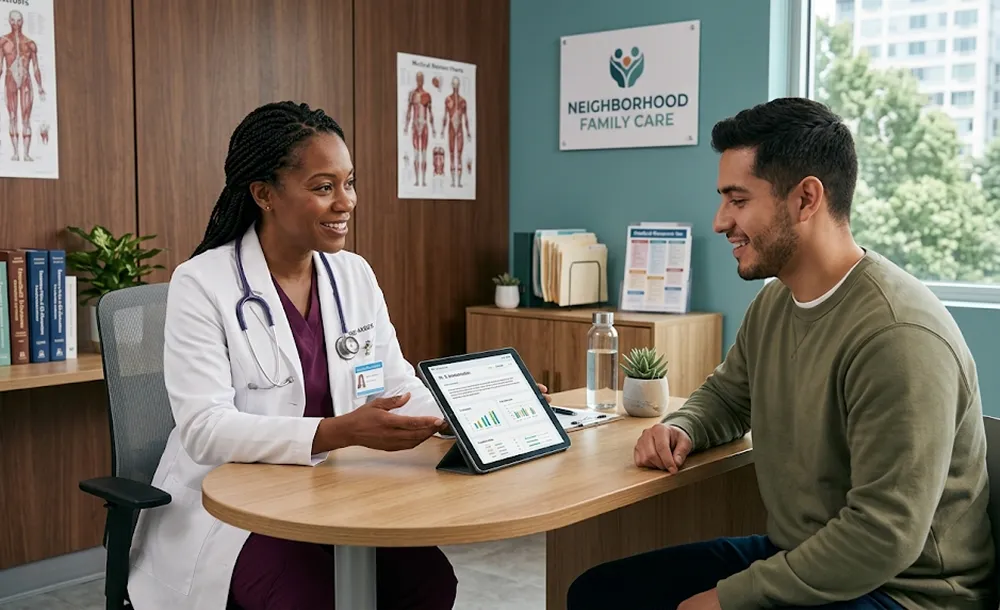
Good care depends on more than knowledge.
It depends on how you communicate.
If this sounds familiar
Many strong medical learners feel this way. Communication usually gets easier with practice, not pressure.

You may be looking for more practice because you:
What you can practice

Rapport building
Learn how to open naturally and help the patient feel comfortable speaking with you.

Agenda setting
Practice figuring out what matters most and guiding the visit without sounding abrupt.

Listening and empathy
Work on noticing emotion and responding ina calm, human way.

Clear explanations
Practice explaining symptoms, tests, treatment plans, and follow-up in patient-friendly language.

Shared planning and closure
Learn how to check understanding, agree on a plan, and end the visit clearly.

Practice that fits your schedule
LarryAI Tutor is designed to fit practice into a busy schedule. You can do a role play in just a few minutes, repeat a hard scenario, and get feedback right away.
That makes it easier to practice between classes, before clinic, after rounds, or whenever you have a short break.
This is built for real training schedules — whether you are in medical school, nursing school, PA school, or residency.
Grounded in Clinical Communication Science
LarryAI Tutor is built around the Patient Centered Observation Form (PCOF), a widely recognized clinical communication and relationship assessement framework developed at the University of Washington School of Medicine.
That matters because PCOF turns "good communication" into something more concrete and coachable. Instead of vague advice like "be more empathetic," you can practice specific skills like:

Useful for training — and real patient care
This is not just about doing better in an observed encounter.
LarryAI also helps you feel more prepared in:
Clinical Rotations
Sub-Is
Patient counseling conversations
Objective Structured
Clinical Examination (OSCEs)
Residency clinic
Real patient care
Practice for the reality of U.S. clinical care
The challenge
In the U.S., patient visits are often short and communication-heavy.
You are expected to build rapport quickly, understand the patient's concerns early, communicate in plain language, and manage time well. You may also see patients with very different backgrounds, communication styles, and levels of health literacy.
What that means for you
Good communication is not just about sounding polished. It is about being clear, efficient, patient-centered, and earning the patient's trust.
Why LarryAI Tutor is different
A lot of tools help you study. LarryAI Tutor helps you practice the conversation itself
You are not just reading scripts or memorizing phrases. You are learning how to:
LarryAI delivers structured feedback and deeper coaching after every role play. That approach helps you build authentic confidence — which only comes from deliberate practice and receiving expert-level feedback.



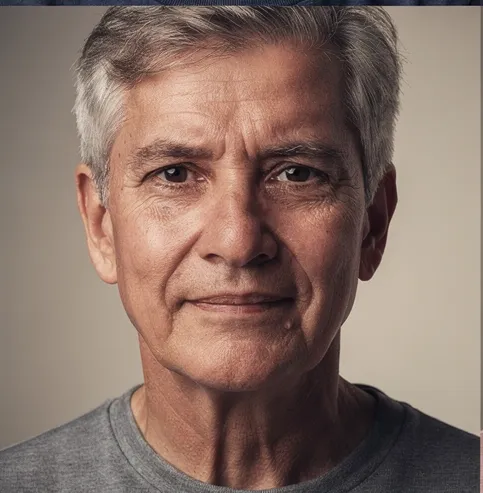



Practice the parts that felt awkward, rushed, too technical, or unclear — before you are in front of a patient or evaluator again.
Get feedback before the stakes are high
One of the hardest parts of learning communication is that real encounters keep moving. You do not always get to pause, rewind, or try again.
LarryAI Tutor gives you a lower-pressure space to work on the parts that felt awkward, rushed, too technical, or unclear — before you are in front of a patient or evaluator again.
That means you can improve before the moment feels high-stakes.
Practice before it counts
If you want to feel more prepared for real patient encounters, LarryAI Tutor offers apractical way to do so. It's a powerful assistant that lets you:
Frequently Asked Questions
Everything you need to know about practicing withLarryAI Tutor.

LarryAI Tutor is for medical students, residents, nursing students, PA students, and other clinical learners who want to improve their communication with patients through role-play practice and structured feedback.
A role play can be completed in just a few minutes, which makes it easier to fit practice into a busy day of classes, clinic, or hospital work.
You can practice core clinical communication skills such as opening the visit, agenda-setting, empathy, listening, explaining clearly, counseling, co-creating a treatment plan with the patient, and closing the encounter professionally.
Reading helps you recognize good communication. Practice helps you actually do it. LarryAI Tutor lets you rehearse the conversation itself so you can work on how you sound, how you guide the visit, and how you respond in the moment.
PCOF gives you a patient-centered communication framework, so you are not just guessing what "good communication" means. It helps break strong communication into specific skills you can practice and improve.
Yes. Practice helps you work things out before you are under pressure, which can make you feel calmer, more prepared, and more confident when the encounter is real.
Sign up and elevate your patient engagement skills today
Sharpen your patient engagement skills and communicate with confidence, clarity, and empathy.